PPR Pipe Heating Tool: A Complete Guide
A PPR pipe heater helps create tight pipe joints, ensuring optimal flow for both clean and hot water. Without this tool, connections may loosen and risk leaking.
Learn this complete guide on how to use a PPR pipe heating tool to make your pipe installation more efficient and durable. Read on!
What Is a PPR Pipe Heating Tool?
A PPR pipe heating tool is a machine used to heat the ends of pipes and fittings so they can be easily joined. This tool ensures tight, strong, and leak-resistant connections, making clean and hot water installations safer and more efficient.
Types of PPR Pipe Heating Machines
There are several types of PPR pipe heating machines you can choose based on your project needs:
- Manual Heating Machine: Simple and portable, suitable for small installations or occasional use
- Electric Heating Machine: Provides stable temperature and is easy to use, ideal for residential or office projects
- Industrial Heating Machine: High-capacity machines designed to heat multiple pipes at once, perfect for large-scale projects
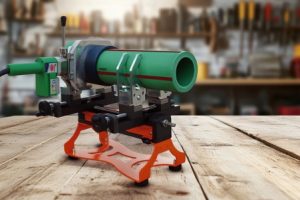
How a PPR Pipe Heater Works
PPR pipe heaters use a heat fusion system, where the ends of the pipe and fitting are heated until the plastic surface softens and fuses together. Make sure the temperature and heating time are correct, overheating can damage the pipe, while insufficient heating results in weak joints.
Supporting Tools and Accessories
To improve efficiency, the following tools help during preparation and pipe joining:
- Heating dies that match the pipe diameter for even heating
- Pipe cutter for precise joints
- Marker for marking connection points
- Cleaning cloth to wipe the pipes & alcohol
Steps to Use a PPR Pipe Heating Machine
Proper use of a PPR heating machine ensures tight, strong, and leak-free joints. Follow these steps:
- Cut the pipe to the required size, then mark the connection points for accuracy
- Attach the pipe and socket fusion fitting to the heating machine, and wait until the plastic surface softens and is ready to join
- Join the pipe and fitting in a straight motion, avoid twisting to prevent damage
- Let the joint cool down, then run clean or hot water through the pipe
Common Mistakes When Using a PPR Pipe Heater
When joining pipes, avoid these common mistakes to prevent premature damage:
1. Overheating or Underheating
Heating the pipe too long causes the plastic to melt excessively, while insufficient heating leads to weak joints. Both conditions increase the risk of leaks.
2. Twisting the Pipe During Connection
Twisting the pipe during joining can damage the softened surface and reduce joint strength. Always press the connection straight until fully fused.
3. Incorrect Heating Die Size
Using a heating die that is too small or too large results in uneven heating. Choose a die that matches the pipe diameter to ensure effective heat fusion and strong joints.
Tips for Choosing the Right PPR Pipe Heating Tool
Before selecting a heating tool, consider these tips for safer installation:
1. Match the Machine to Pipe Diameter and Project Capacity
Adjust the heating die size to the pipe diameter being installed. Choose a machine with sufficient capacity for the number of joints required.
2. Check Tool Quality and Safety
Select machines from trusted manufacturers made with heat-resistant materials. For building and project applications, use high-quality pipes from Vinilon to ensure stronger and safer joints.
3. Choose a Machine with Stable Temperature Control
A machine that maintains consistent temperature ensures even heating of pipes and fittings. Stable temperature results in tighter joints and reduces the risk of leaks.
Accurate temperature control and high-quality heating tools are key factors in the heat fusion joining method. To ensure the long-term safety of your hot and cold water installation system, use Ritmo pipe welding tools and Vinilion PPR Pipe, Indonesia’s No.1 PPR pipe brand.
Do you want to discuss heating machine specifications or proper PPR joining techniques? Contact HaloVini customer service via email at .

