Perforated Pipe: Functions, Types, and Advantages of HDPE Perforated Pipe
Water trapped in the soil often causes pooling, erosion, and even structural damage to buildings. Without a proper drainage system, these problems can persist and become difficult to control in various areas.
This is where perforated pipes serve as a modern drainage solution. With a functional structure, these pipes help regulate groundwater flow efficiently. Curious about how they work and their advantages? Let’s dive in!
What Is a Perforated Pipe?
A perforated pipe is a drainage pipe with small holes along its surface that allow it to collect and channel groundwater. The term “perforated” refers to its hole-pattern design, which enables water to enter the pipe and then be directed to a discharge channel, reducing water buildup in underground drainage systems.
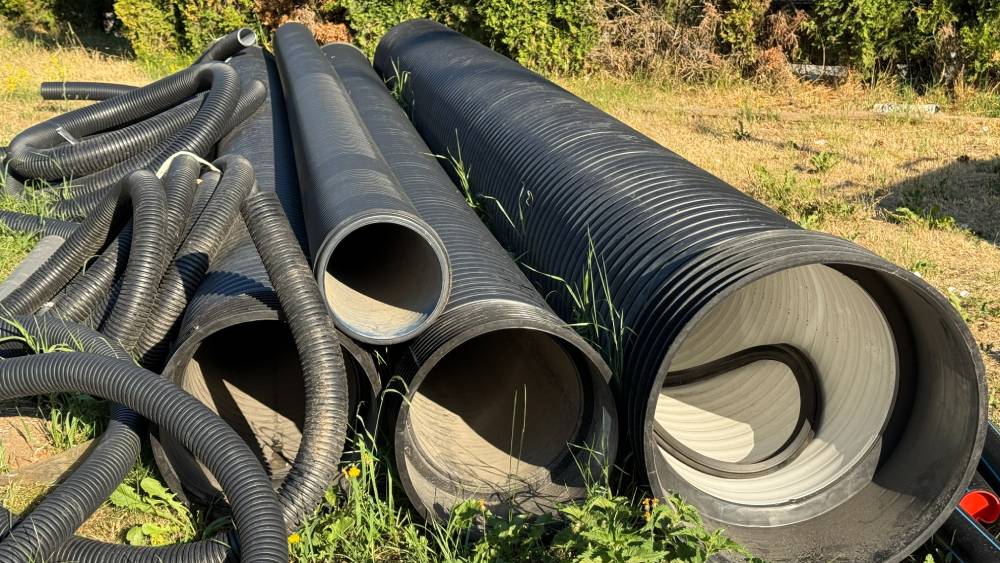
perforated pipe
Functions and Uses of Perforated Pipes
Thanks to their perforated design, these pipes offer effective functions in modern drainage systems, such as:
1. Water Drainage
This type of pipe effectively channels groundwater and rainwater so it does not accumulate in the soil. The system helps maintain soil stability and prevents waterlogging in flood-prone areas.
2. Seepage Control
The holes in the pipe allow seepage water to enter and be directed in a controlled manner. Using perforated pipes helps protect road and building structures from excessive water pressure.
3. Wide Applications
Perforated pipes are widely used in road construction, residential areas, agriculture, and mining projects. Their flexibility and functionality make them suitable for various underground drainage needs.
Types of Perforated Pipes
Below is a table of perforated pipe types based on material, hole pattern, and wall structure.
| Category | Pipe Type | Characteristics & Uses |
| Material | HDPE | Flexible, corrosion-resistant, ideal for underground drainage |
| PVC | More rigid, suitable for light applications | |
| Hole Pattern & Type | Linear pattern (rows) | 4–8 parallel rows, effective for rapid drainage |
| Spiral pattern | Circular holes, more even water distribution | |
| Class I & II pattern (AASHTO) | Holes in corrugation valleys maintain structural strength | |
| Hole shape | Round, slotted, or hexagonal for specific needs | |
| Wall Structure | Single wall | Lightweight, easy installation |
| Double wall | Stronger for heavier soil loads |
HDPE Perforated Pipe
One of the most commonly used perforated pipes in modern drainage systems is the HDPE perforated pipe. It is made from high-density polyethylene, offering flexibility, strong resistance to soil pressure, and chemical durability.
Here are some key advantages of HDPE perforated pipes in modern drainage systems:
- Resistant to corrosion and chemical exposure
- Long service life of up to 100 years
- Easy installation and maintenance
- Suitable for various soil conditions.
Tips for Choosing the Right Perforated Pipe
To ensure the drainage system works optimally, here are some tips for choosing perforated pipes that you can apply:
1. Determine Diameter and Perforation Pattern
Choose a pipe diameter and hole pattern that match soil conditions. The right perforation design allows water to enter and flow effectively without compromising pipe strength.
2. Adjust to Water Discharge Requirements
Pay attention to the volume of water that needs to be drained. For higher discharge rates, use a larger-diameter HDPE perforated pipe to ensure smooth flow and reduce the risk of clogging.
3. Check Quality Standards and Project Application
Ensure the pipe meets quality standards and suits the specific project application—whether for roads, residential areas, agriculture, or mining. Proper standards guarantee more reliable drainage performance.
That wraps up our guide to perforated pipes! These pipes are great at managing groundwater and keeping your drainage system free from flooding. With the right choice, they are a perfect fit for roads, housing complexes, and industrial areas.
Despite their usefulness, perforated pipes do have a few downsides. They can easily get clogged with dirt or mud, and they aren’t as sturdy as standard solid pipes. They also aren’t the best fit for high-pressure water systems or roof gutters. Vinilon Group offers the Vinilon KRAH Pipe. This pipe is specially designed for those who need a heavy-duty, extra strong, yet highly flexible drainage solution.
Make sure your construction projects are supported by hassle-free piping solutions! As a MURI-record-winning manufacturer of HDPE and Vinilon KRAH pipes, Vinilon Group is ready to deliver strong and long-lasting drainage systems. Build better and more reliable construction projects with high-quality piping solutions from Vinilon.

