PPR Pipe PN 10, PN 16, and PN 20: What’s the Difference and Which One Do You Need?
You might think choosing the right pipes is insignificant , but it has a big impact on the safety and long-term reliability of your plumbing system. Pipe leaks and failures often result from using unsuitable pipes that cannot withstand the required pressure conditions. That’s why understanding the differences between PPR pipes rated PN 10, PN 16, and PN 20 is such an important step — it helps ensure your water installation is safer, more efficient, and built to last. Here’s a clear breakdown of what sets each one apart.
Understanding PPR Pipes and the PN Rating System
PPR pipes (Polypropylene Random) are a top choice for pressurized clean water installations because they’re heat‑resistant, corrosion resistance, and long service life.
The PN code stands for Pressure Nominal — it tells you the maximum pressure a pipe is rated to handle. Simply put: the higher the PN number, the more pressure the pipe can withstand. Matching the right PN rating to your installation’s pressure requirements is key to keeping the system safe and durable.
PPR PN 10 — Light Duty, Low Pressure
PPR PN 10 pipes are marked with a blue stripe and are designed for low-pressure applications. With thinner walls, PPR PN 10 pipes are lighter and more budget friendly . While they’re well-suited for low-pressure use, they perform best when used within their intended range. Key characteristics include:
- Suitable for low-pressure water installations.
- Designed for cold water only.
- Lighter and more affordable.
- Ideal for simple residential plumbing needs.
PPR PN 16 — Medium Pressure, Wider Versatility
PPR PN 16 pipes are marked with a yellow stripe and fall in the medium-pressure category. They’re commonly used for clean water distribution in larger homes and light commercial buildings. Compared to PN 10, the walls are thicker, giving them better pressure resistance. Key characteristics include:
- Handles medium-pressure water systems.
- Suitable for more intensive daily water use.
- Stronger than PN 10.
- Flexible enough for both residential and small commercial use.
PPR PN 20 — High Pressure and Hot Water Ready
For demanding applications, PPR PN 20 is the most recommended option. Marked with a red stripe, these pipes have the thickest walls of the three, making them capable of handling both high pressure and elevated temperatures. Key characteristics include:
- Withstands high pressure and temperature.
- Suitable for hot water systems and high-demand installations.
- Longest service life of the three.
- Ideal for commercial buildings, hotels, and industrial facilities.
Side-by-Side Comparison: PN 10 vs PN 16 vs PN 20
The differences between these three pipe types come down to wall thickness, pressure capacity, and ideal use case. Here’s a quick overview:
| Feature | PN 10 | PN 16 | PN 20 |
|---|---|---|---|
| Color Marker | Blue | Yellow | Red |
| Wall Thickness | Thin | Medium | Thick |
| Pressure Rating | Low | Medium | High |
| Water Type | Cold water | Cold water | Hot & cold water |
| Best For | Simple residential | Homes & small commercial | Commercial, hotels, industrial |
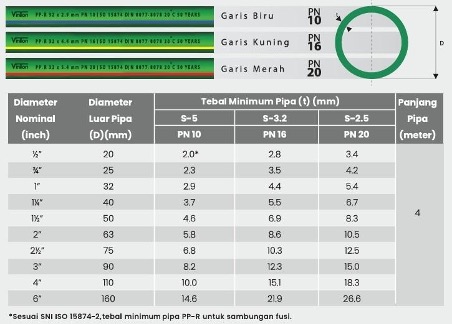
In short: PN 10 is common for residential use, PN 16 works well for more intensive setups, and PN 20 is the go-to for high-pressure and hot water applications.
Tips for Choosing the Right PPR Pipe
Choosing a pipe isn’t just about the price. You also need to consider the water pressure in your area, the type of building, and how the system will be used. Residential installations have very different demands compared to commercial or industrial ones. Here are a few helpful tips:
- Match the pipe type to the actual water pressure at your site.
- Choose specs that will hold up well over the long term, not just short-term.
- Make sure the materials meet recognized quality standards.
- Select high‑quality products from reliable manufacturers like Vinilon to ensure durability and performance
Understanding the specific differences between PN 10, PN 16, and PN 20 puts you in a much better position to make the right call for your project. Each pipe type has its strengths and is built for a particular purpose — so the key is matching it to your actual needs. With the right installation approach and the right materials, your plumbing system will run more efficiently, stay safer, and last a lot longer. For dependable results, consider products from Vinilon — recognized as Indonesia’s No. 1 Pipe Brand — to support a quality installation that stands the test of time.

