Why Your Property Needs a Rainwater Infiltration Wells
As the dry season begins, occasional rainfall can still cause waterlogging on roads and in surrounding neighborhoods. In such conditions, the presence of rainwater infiltration wells serves as an effective solution to reduce standing water while simultaneously allowing rainwater to be absorbed into the ground.
Infiltration wells do far more than just divert surface runoff. They play a vital role in stabilizing groundwater reserves during dry seasons, ensuring that rainwater is managed responsibly to support long-term water sustainability.
Functions of Rainwater Infiltration Wells
Rainwater infiltration wells help direct water back into the ground in a controlled manner. In addition, they offer several important benefits for residential and modern building environments, including:
- Helping reduce waterlogging and flooding;
- Maintaining groundwater availability;
- Improving soil infiltration capacity;
- Reducing the burden on drainage systems;
- Supporting more efficient rainwater management.
How to Utilize Rainwater Through Infiltration Wells
The following steps can help ensure efficient rainwater management:
1. Directing Water from Gutters
Gutters play a crucial role in residential stormwater management by routing roof runoff into designated filtration or storage systems. Optimizing this initial water flow prevents structural damage and lays the groundwork for sustainable rainwater utilization.
2. Rainwater Filtration Process
Before entering storage facilities, rainwater typically passes through a filtration process. This helps remove leaves, sand, and other debris, ensuring better water quality.
3. Rainwater Storage
Rainwater can be stored in dedicated tanks or directed into a rainwater infiltration well for practical use. This system also helps maintain stable groundwater reserves.
4. Reusing Rainwater
Stored rainwater can be reused for watering plants and other non-potable purposes. This helps reduce overall water consumption and promotes more efficient water use.
Uses of Rainwater Infiltration Wells for Daily Needs
The following are some practical applications of harvested rainwater for non-potable purposes:
1. Watering Plants
Collected rainwater can be used to water plants in homes, gardens, and landscaped areas. This practice helps reduce the daily use of treated water.
2. Washing Vehicles
Stored rainwater can also be used for washing motorcycles and cars. Reusing collected water for non-potable purposes is both practical and cost-effective.
3. Water Reserve During the Dry Season
During periods of drought, stored rainwater can serve as a supplementary water reserve for specific needs. This helps ensure water availability and encourages more efficient consumption.
Components and Materials Used in Rainwater Infiltration Systems
An effective rainwater management system requires several supporting components, including:
1. Rain Gutters
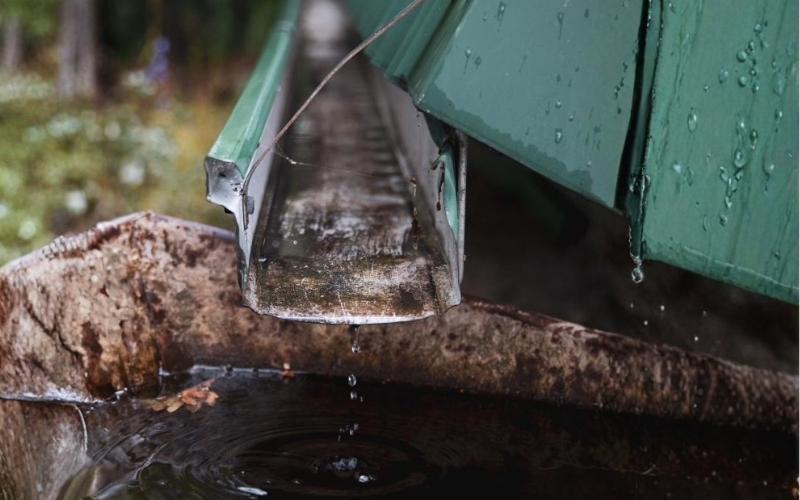
Gutters channel rainwater from rooftops into storage or infiltration systems. They help control water flow and reduce the risk of water accumulation.
2. Water Conveyance Pipes
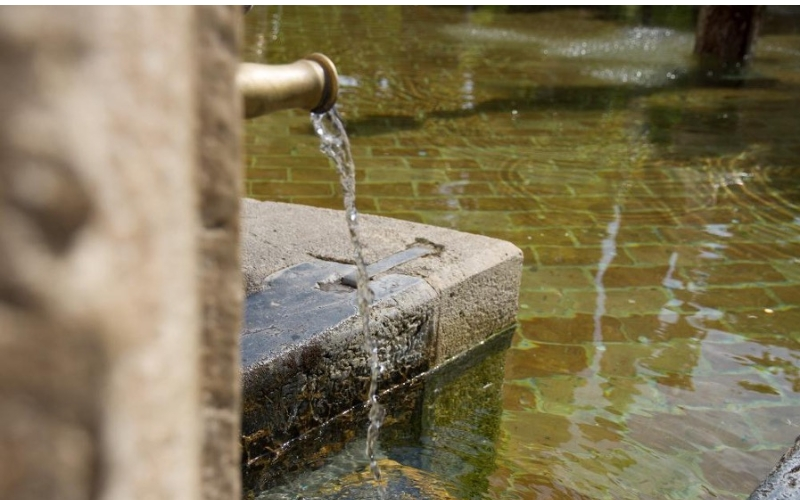
Pipes are responsible for transporting rainwater to storage facilities or infiltration wells. High-quality piping materials help maintain smooth water flow and ensure long-term durability.
3. Drainage Channels
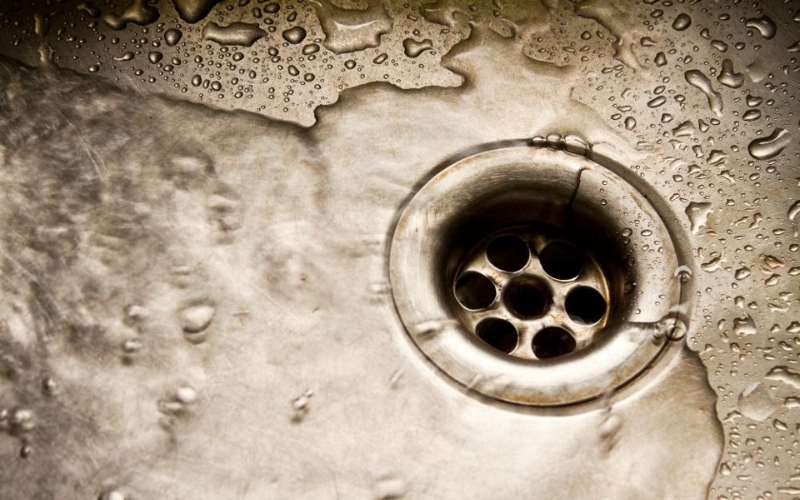
Drainage channels regulate water flow and prevent surface water from accumulating. They support a more organized and efficient rainwater management process.
4. Water Storage Areas
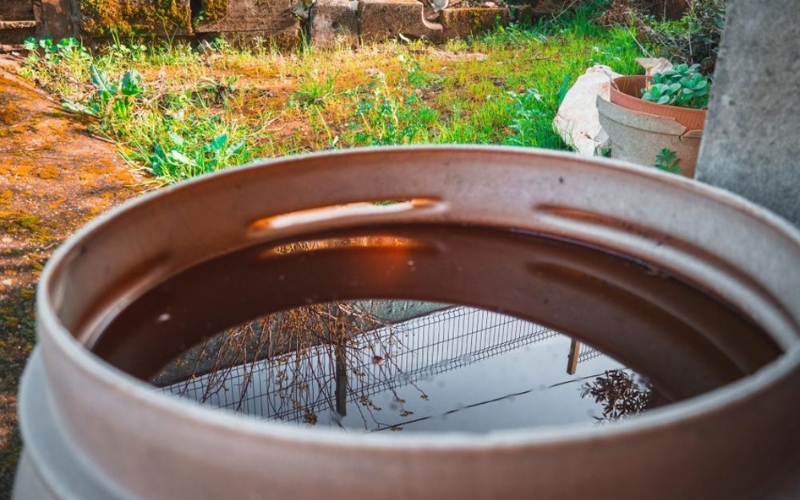
Storage facilities temporarily hold rainwater before it is reused or allowed to infiltrate into the ground. These components help maximize the utilization of collected rainwater.
Effective water management becomes increasingly important during periods of heavy rainfall. Through the use of rainwater infiltration wells and properly designed storage systems, rainwater can be utilized more efficiently while providing practical benefits for everyday needs.
Selecting the right piping system is essential to ensuring the performance of water distribution networks, whether for household plumbing, drainage systems, or infiltration wells. Pipes should be manufactured from durable materials and feature smooth internal surfaces to facilitate the water flow and debris without obstruction while remaining resistant to environmental pressures.
As Indonesia’s No.1 piping solutions provider, Vinilon delivers high-performance products engineered for advanced stormwater management and sustainable water distribution networks. From residential plumbing to large-scale infrastructure projects, Vinilon ensures durable, practical, and long-lasting installation performance across the nation.

